





TEN WAYS TO CARRY JAPAN
Streetwear caps, bucket hats, beanies, platform sneakers. Wooden geta, silver rings, men's obi belts. Hand-painted fans, washi paper umbrellas, traditional furoshiki. The pieces Japan has spent centuries refining, built for the way you actually dress today.


Japanese Knot Bag
$25.00


Japanese Apron
From $20.00


Maekake
$75.00


Japanese School Uniforms High Socks
From $10.00


In Western fashion, the accessory came late — a finishing touch added once the outfit was decided. In Japan, the order is reversed. The obi belt was designed before the kimono fell around it. The geta lifted the wearer before the silhouette was drawn. The fan, the furoshiki, the ring, the umbrella — each was an object built to carry meaning first, and a body second.
This collection follows that logic. We didn't build a streetwear store and bolt on a few Japanese accessories. We built the accessories first and let the rest of the wardrobe arrange itself around them. What follows is grouped by function, not by trend.
HEADWEAR — HOW A JAPANESE CAP CHANGES AN OUTFIT
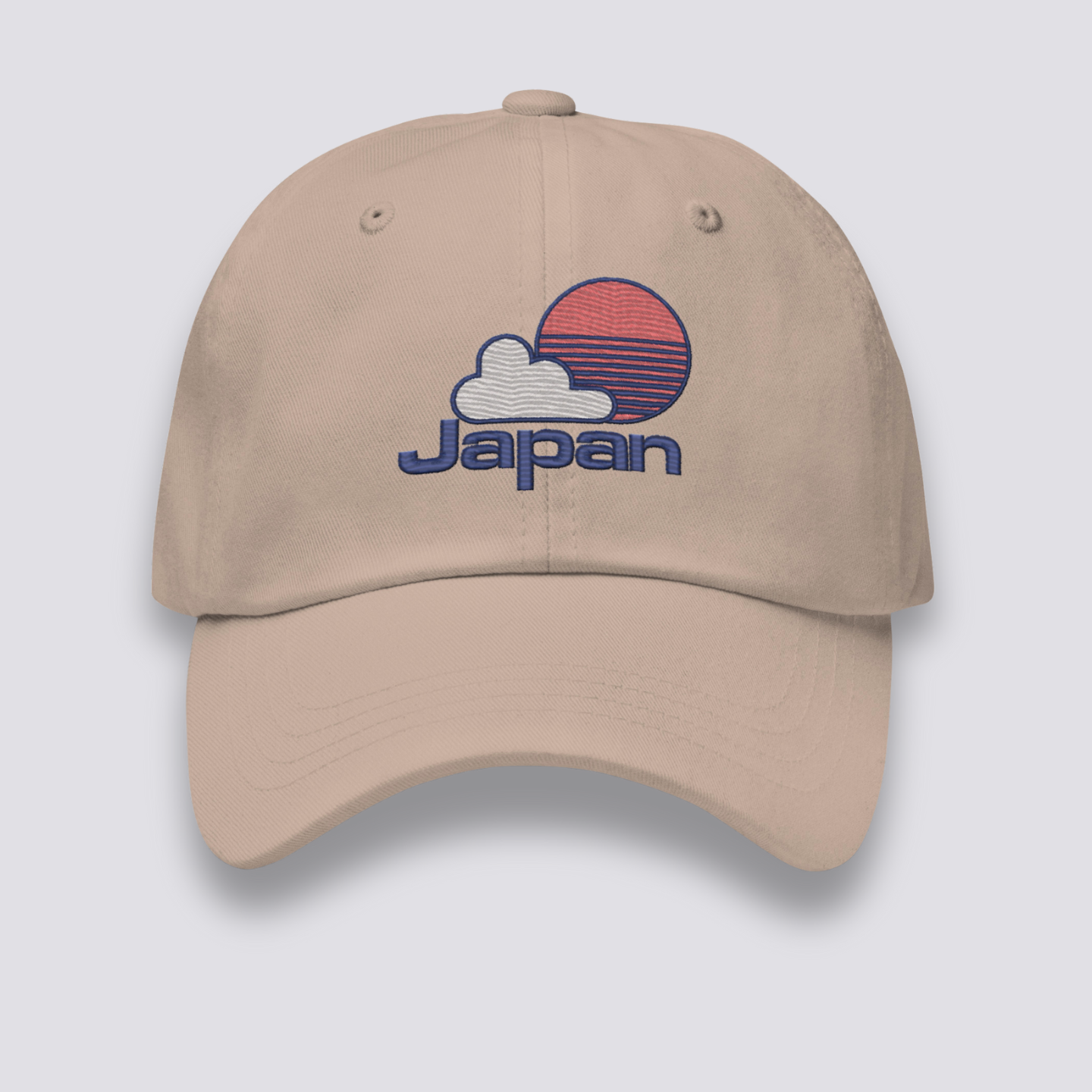
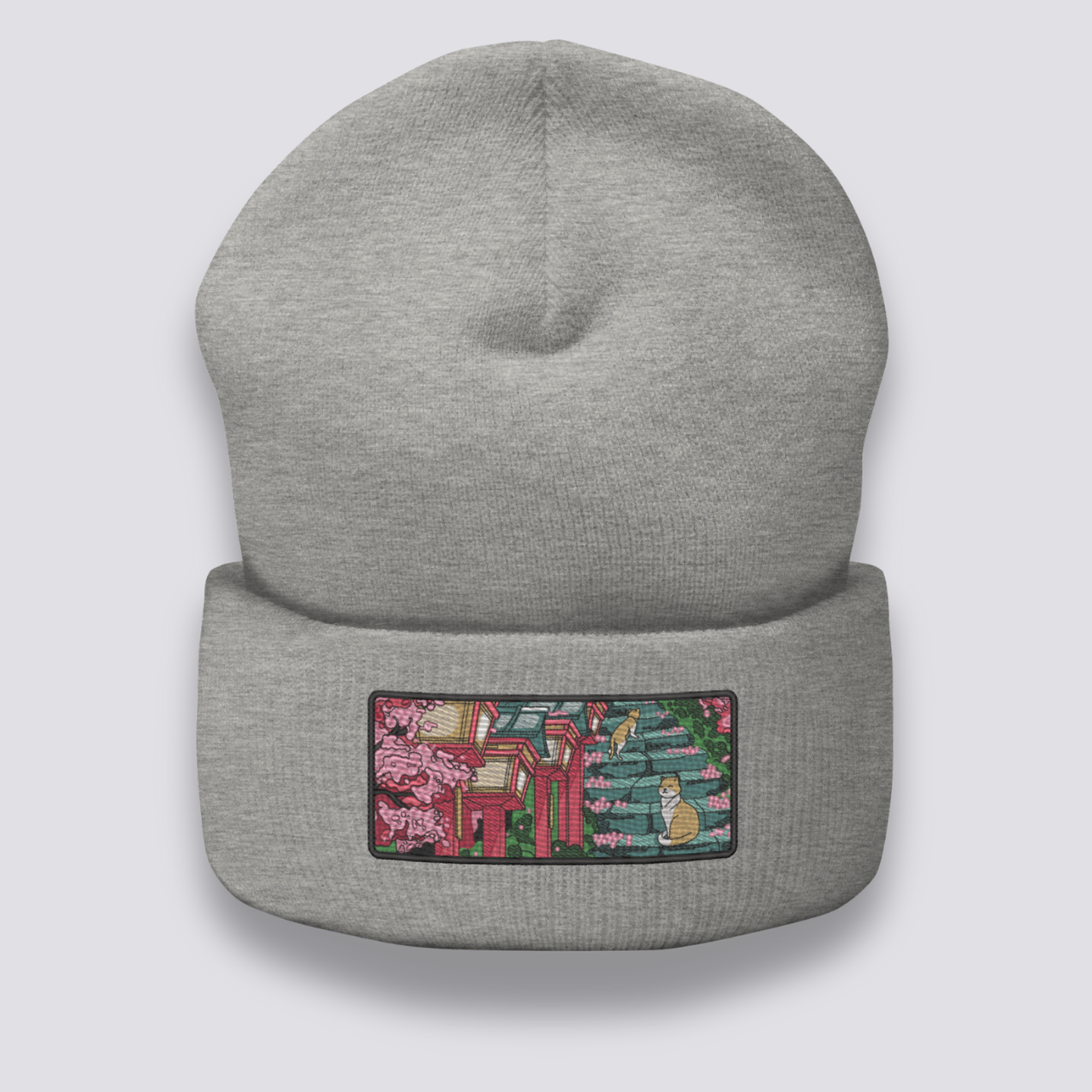
A cap is the cheapest way to rewrite an outfit. Drop a kanji embroidery, a Hokusai wave, a kitsune fox, or a Mount Fuji silhouette onto the brim, and the plain tee underneath stops being plain. This is why Japanese caps, bucket hats, and beanies sit at the top of the collection — they do the most work for the least effort.
Three rules guide the headwear we stock. First, the print has to be readable at three meters — closer and it's text, further and it's noise. Second, the construction has to outlast the print — washed indigo bucket hats, structured cotton crowns, knit beanies tight enough to hold their shape after a winter. Third, the iconography has to mean something specific. A Maneki neko is luck. A torii is threshold. A koi is persistence. We don't print symbols we can't explain.
FOOTWEAR — WHY JAPAN MAKES TWO KINDS OF SHOE
Japanese footwear splits cleanly in two, and the collection follows the split. On one side, the platform sneaker — gothic uppers, color-blocked panels, names borrowed from Japanese cities. Built for streets that move fast. On the other side, the geta — wooden, raised, named for the prefecture they reference. Built for moments that don't.
The interesting part is what the two have in common. Both are designed around lift. The geta literally raises you off the ground; the platform sneaker quietly does the same. Both signal pace before they signal style. You walk differently in a geta than in a runner. You walk differently in a platform than in a flat. Japan understood early what most footwear traditions miss: the shoe doesn't just carry you, it edits how you arrive.
RINGS & OBI — THE TWO PIECES THAT HOLD AN OUTFIT TOGETHER
The ring and the obi belt are the two pieces of this collection that do structural work. Everything else is ornament. These two hold a wardrobe in place. A Japanese silver ring — dragon, koi, oni, kanji, bushido — is heavy on purpose. A ring you can't feel is a ring you forget, and a ring you forget is a ring you stop wearing. Our signets are weighted to sit in the hand the way they sit on the finger. The iconography draws from yokai folklore, samurai script, Buddhist imagery, and the chevalière silhouette restyled for a finger that types as much as it grips.
The most popular traditional masks often represent famous yôkai, such as the Kitsune fox, the Hannya ghost, or the Tengu demon. They can be used as costume accessories for Cosplay events or themedThe obi works on a different axis. Where the ring marks the hand, the obi marks the waist — and in Japanese dress, the waist is the architectural center of the outfit. A men's obi belt under a haori, over a yukata, or paired with structured pants doesn't just hold fabric. It sets the proportion of everything above and below it. Solid Sapporo black for restraint, Tachibana and Nanten for seasonal color — the obi is the most underrated piece in Japanese clothing, and the one most likely to upgrade the rest of your closet.parties.
THE CARRIED OBJECTS — FANS, UMBRELLAS, FUROSHIKI
A Japanese hand fan, a wagasa umbrella, a furoshiki wrapping cloth — these are not accessories in the Western sense. They are tools that became beautiful because they were used every day for a thousand years. The bamboo ribs of a sensu fan exist because they have to fold. The washi paper of a wagasa exists because it has to repel rain. The square of furoshiki is square because a square wraps anything.
The thing modern accessories tend to forget is this lineage. A printed bag is a printed bag; a furoshiki is centuries of cloth-knot vocabulary you can still learn from a YouTube video. A folding fan is a fan; a Japanese sensu is a portable signal that travels through gesture as much as motion. We stock the full range — uchiwa, sensu, wagasa, paper parasols, transparent koi umbrellas, traditional cranes, peacocks, sakura, kumo cloud prints — because each one is an object you can still use the way it was meant to be used.
WHAT THIS COLLECTION IS REALLY FOR
A wardrobe built around statement pieces ages in seasons. A wardrobe built around accessories ages in decades. A haori dates. A jacket cycles. A bucket hat with the right print, a silver ring with the right weight, an obi belt in a color you wear every Friday — these don't date. They become signatures. That's the brief here. Not Japanese costume. Not festival cosplay. A working catalog of small, considered objects that let you wear Japan in the parts of an outfit that actually get noticed — the cap brim, the ring finger, the waistline, the thing in your hand on the way out the door. We don't sell an origin. We share a spirit.